Bentonite clay is a versatile natural mineral widely used across industries because of its excellent absorption, swelling, binding, and sealing properties. From construction and mining to agriculture and manufacturing, this valuable material supports numerous applications that require reliable performance and consistent quality. As demand continues to grow, finding trustworthy bentonite clay suppliers has become essential for businesses seeking dependable materials at competitive prices.
Whether you need bentonite for drilling fluids, waterproofing, foundry operations, or industrial processing, selecting the right supplier can make a significant difference in product quality, project efficiency, and long-term operating costs.
Understanding Bentonite Clay
Bentonite is a naturally occurring clay primarily composed of montmorillonite, a mineral belonging to the smectite group. Its distinctive structure allows it to absorb water and expand, making it suitable for various industrial and commercial purposes.
There are two commonly recognised types of bentonite clay: sodium bentonite and calcium bentonite. Sodium bentonite generally provides high swelling capacity and excellent sealing properties, making it useful for drilling, pond lining, and civil engineering applications. Calcium bentonite is used in selected absorbent, agricultural, and industrial applications, depending on its characteristics and processing.
Understanding these differences helps buyers identify the most appropriate product for their requirements.
Major Applications of Bentonite Clay
1. Construction and Waterproofing
Bentonite clay plays an important role in construction and civil engineering projects. Its swelling characteristics make suitable grades valuable for sealing ponds, canals, reservoirs, and other water-retention structures. Bentonite is also incorporated into certain waterproofing systems and geosynthetic clay liners.
Choosing a supplier that understands construction requirements helps ensure the material is appropriate for the intended ground conditions and installation method.
2. Mining and Drilling Operations
Bentonite is widely used in drilling fluids for boreholes, foundation work, and selected mining operations. It helps suspend drilled particles, supports borehole stability, and improves fluid performance.
For these applications, buyers should evaluate important technical properties, including viscosity, filtration characteristics, and swelling performance. Reliable bentonite clay suppliers can provide product specifications to support informed purchasing decisions.
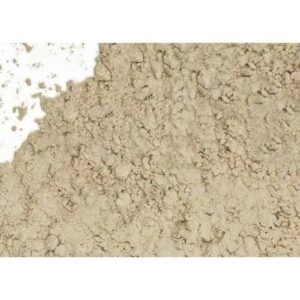
3. Agriculture and Gardening
In agricultural applications, bentonite may be used in soil conditioning, moisture management, and specialised formulations. Its effectiveness depends on the soil composition, climate, application rate, and bentonite grade.
Farmers and agricultural businesses should select products based on their specific soil requirements rather than assuming every bentonite product will deliver the same results.
4. Foundry and Industrial Manufacturing
Foundries use bentonite as a binder in moulding sand for metal casting. The material helps maintain mould strength and shape during production. Other industries use specialised grades in absorbents, pelletising processes, and selected manufacturing applications.
Consistent material quality is especially important in industrial environments where variations in raw materials can affect production efficiency.
How to Select Reliable Bentonite Clay Suppliers
Choosing the right supplier involves more than comparing prices. Businesses should consider several factors before making a purchase.
Product quality and specifications: Request a technical data sheet that outlines relevant characteristics, such as moisture content, particle size, swelling index, and viscosity where applicable.
Supply capacity: Confirm that the supplier can meet your required order volume and maintain consistent availability for repeat purchases.
Packaging options: Depending on your needs, bentonite may be supplied in standard bags, bulk bags, or larger quantities. Appropriate packaging helps simplify storage, transportation, and handling.
Competitive pricing: Compare quotations while considering product quality, transport costs, packaging, and delivery timelines. The lowest price may not always offer the best overall value.
Technical assistance: Suppliers that understand different bentonite grades can help buyers identify suitable products for specific industrial applications.
Delivery reliability: Timely delivery is important for construction projects, manufacturing schedules, and other operations that depend on uninterrupted material availability.
Benefits of Working with Professional Suppliers
Established bentonite clay suppliers can help businesses maintain consistent purchasing standards, reduce sourcing difficulties, and improve operational planning. Access to accurate product documentation also makes it easier to compare materials and determine whether they meet project specifications.
Before placing a bulk order, buyers should request samples when available, verify the supplier’s credentials, and review relevant safety documentation. Testing the material under actual operating conditions can help confirm its suitability and minimise potential waste.
Conclusion
Bentonite clay is an essential industrial mineral with applications across construction, drilling, agriculture, foundries, and manufacturing. Its unique binding, absorption, swelling, and sealing properties make it a valuable solution for businesses with diverse material requirements.
By carefully evaluating bentonite clay suppliers, buyers can find suitable grades, reliable delivery arrangements, and competitive purchasing options. Prioritising quality, technical support, and supply consistency can improve project outcomes while helping businesses manage costs effectively.
Before making your next purchase, define your application, identify the required specifications, and compare suppliers based on their ability to deliver dependable products that meet your operational needs.